
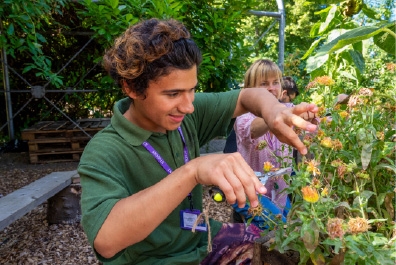

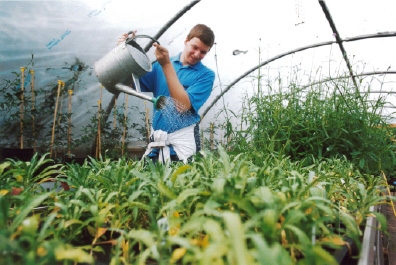


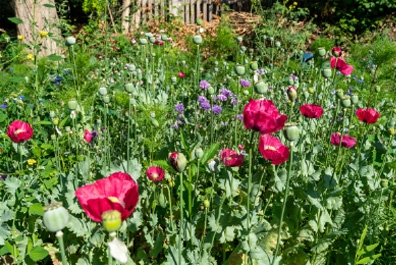
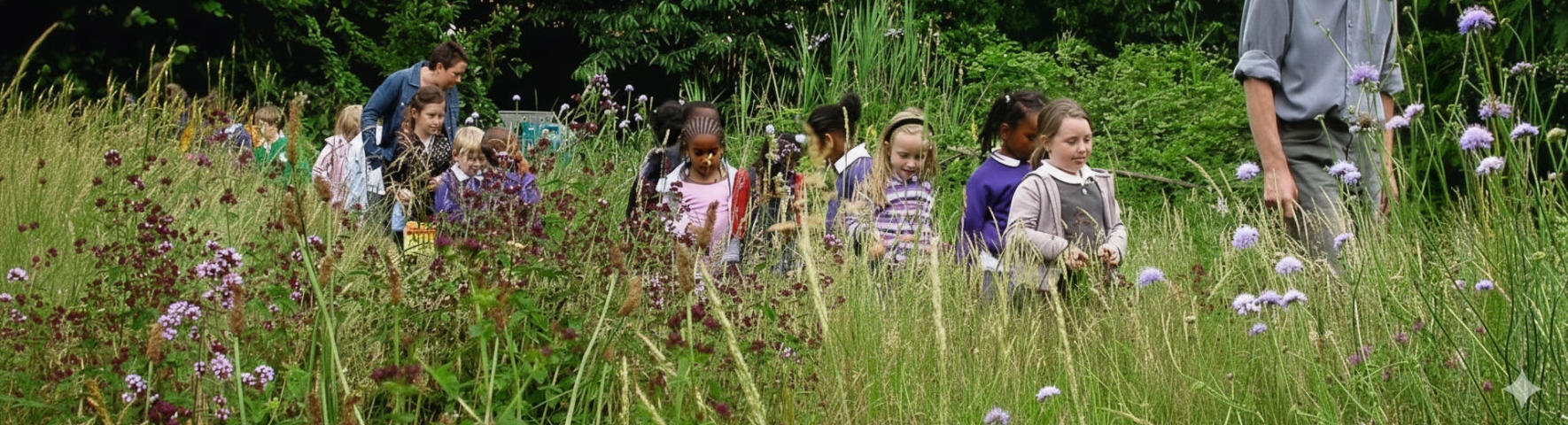
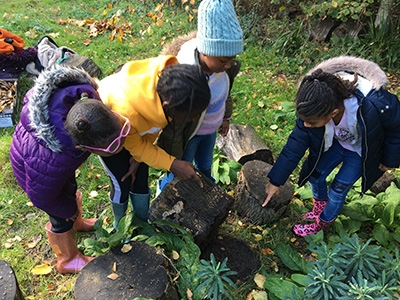
The City Saplings Programme invites primary schools, nurseries and other children's groups to visit Roots and Shoots and take part in outdoor nature sessions in our urban gardens, which are full of wildlife in the centre of London. The sessions enable inner-city children to enjoy and connect with the natural world, complimenting their science curriculum classroom learning.
'Mighty oaks from little acorns grow'
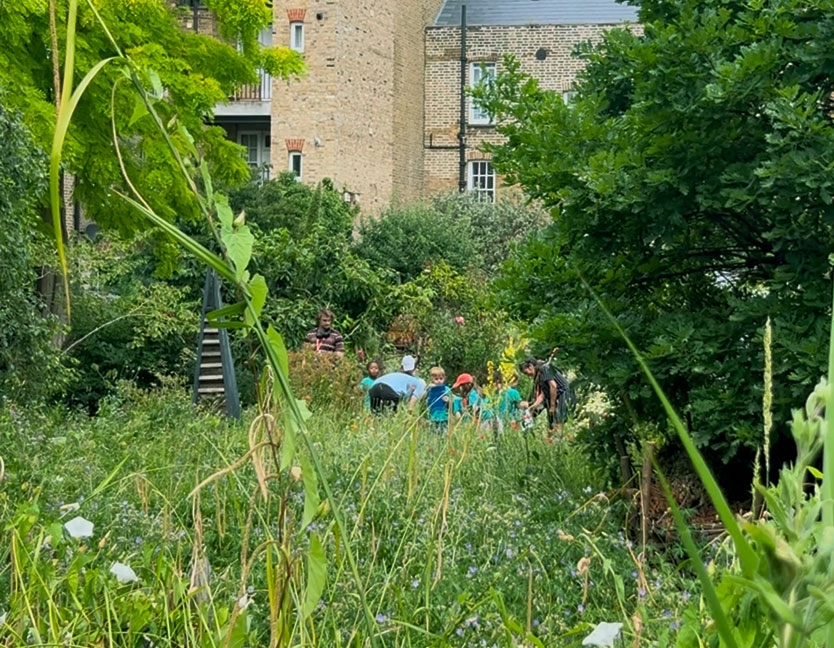
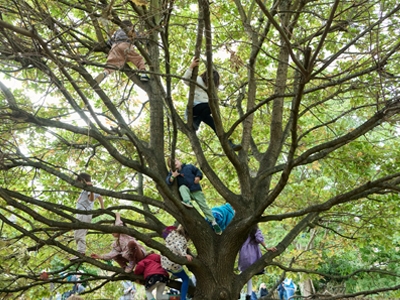
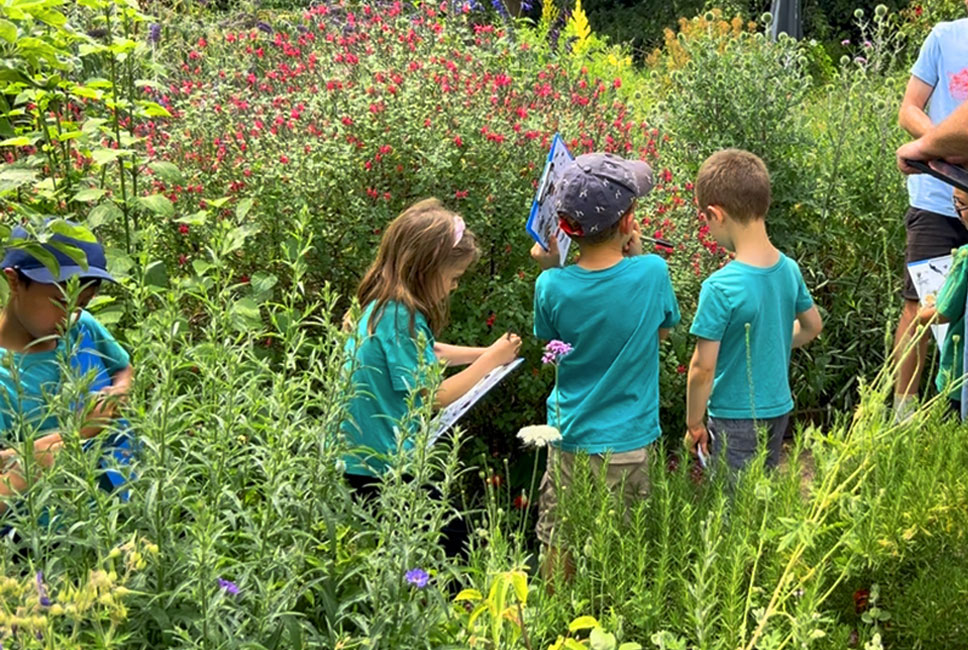
City Saplings sessions take place in the Wild Garden, which features a variety of green spaces to explore including an Oak Tree Classroom, a Rose Pergola Classroom, a maze of flower borders, a pond, a wildflower meadow and woodland area, and food-growing sessions in the Kitchen Garden.
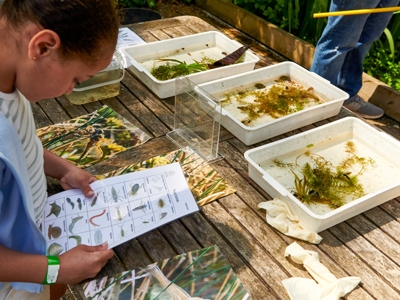
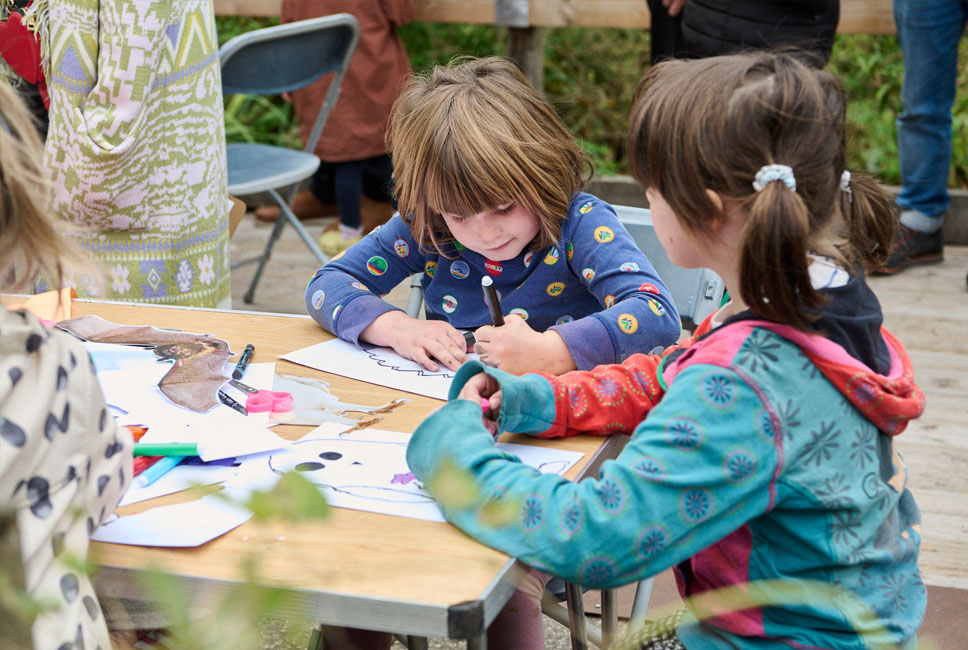
Session themes include animal lifecycles and their habitats, seasonal changes, identifying how plants adapt and grow, healthy soil for food growing and much more. They include activities like pond dipping, garden safari walks, bulb planting and art. Each session features two environmental educators to teach and guide pupils in their activities.
Sessions are designed for classes from Nursery to Year 3, with learning coinciding with the seasons and the science curriculum.
Costs
The City Saplings Programme is free for state primary schools in London boroughs, as well as nurseries, home schooling groups (minimum 4 children per group), children's charities and food bank groups. There is a fee of £100 for private school classes to attend sessions.
The majority of our sessions are run during term-time, though we have a limited number of sessions during school holidays for children's charities and food bank groups.
Travel
Please note that we do not have space onsite for coaches, and so we encourage public transport to visit us.
Classes are welcome to bring and eat their packed lunch before or after their sessions in the Wild Garden under the oak tree, or the adjacent public Bubble Gate Garden which has a picnic lawn. Please let us know if you plan to eat lunch here.
Sessions
Sessions last between 1 and 2 hours, depending on class ages and needs, and run from spring through to autumn, with a break during winter.
Though most sessions have been design for specific ages to fit the curriculum, we are flexible and creative with our garden resource and so sessions can be customised for specific needs of your class or group, including SEN groups.
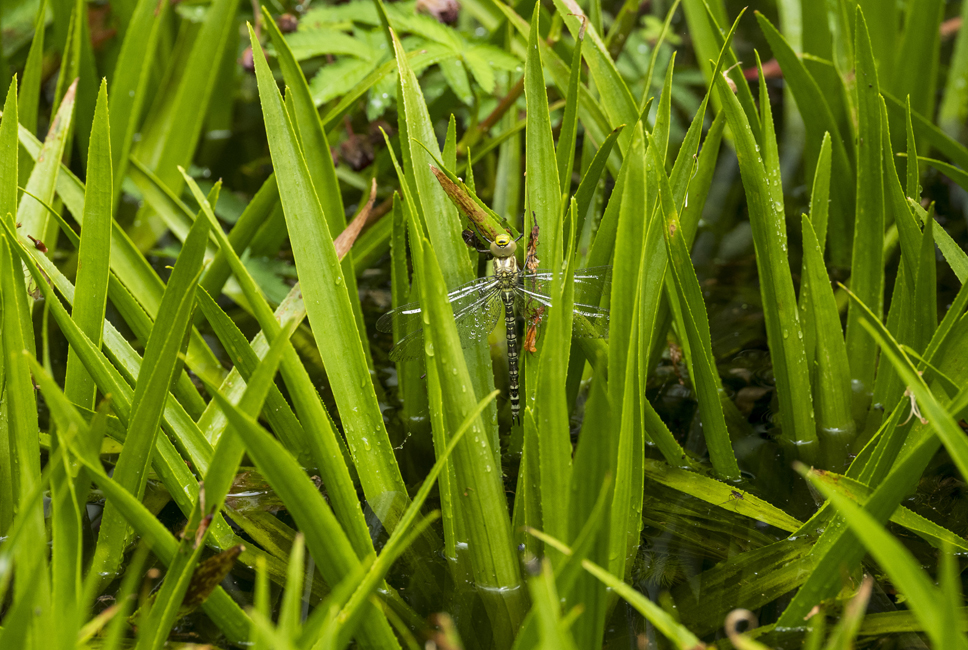
Welcome to the Wild GardenAn introductory session designed to inspire children with a range of urban wildlife in our garden taught from May - August for Nursery and Reception classes, lasting an hour. Activities include pond dipping where we look at newts, tadpoles, dragonflies and other aquatic creatures, and a wild garden scavenger hunt for flowers, fruit and pollinating insects like bees and butterflies. There is also optional extra time at the end of the session for children to play and explore in the gardens allowing them to engage in their own way. |
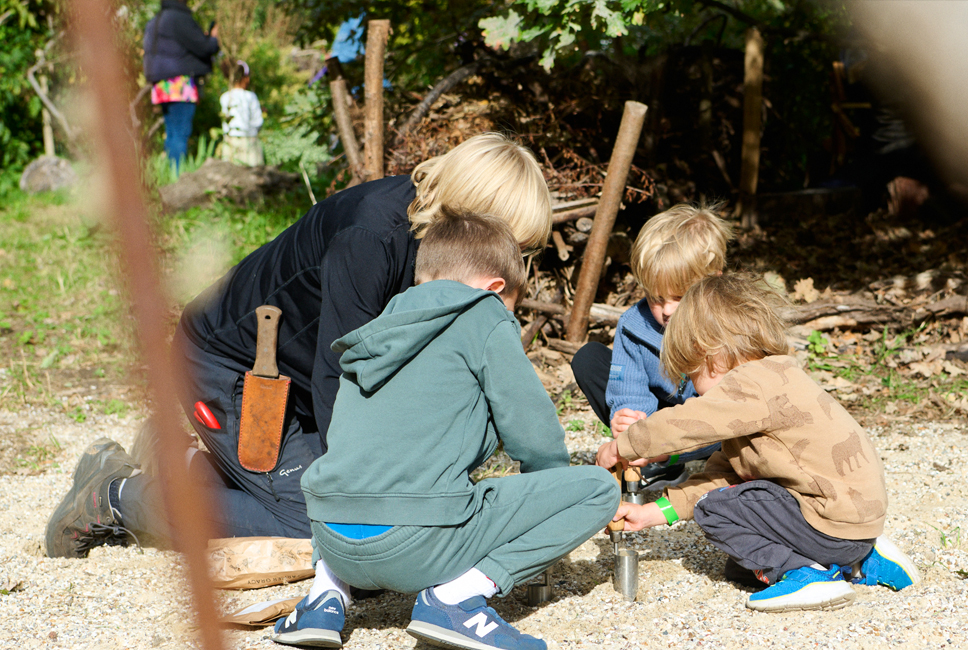
Observing the SeasonsAn autumnal session designed to engage children with seasonal changes in our garden taught from October - December for Nursery or Year 1 classes, lasting an hour and a half. Activities include exploratory garden foraging - discovering and collecting seasonal natural items to learn about plant life cycles, as well as spring bulb planting in the ground and in pots to take back to class to develop an understanding of how plants grow and what happens under the ground as the seasons change. For small groups, there is an optional campfire building activity. |
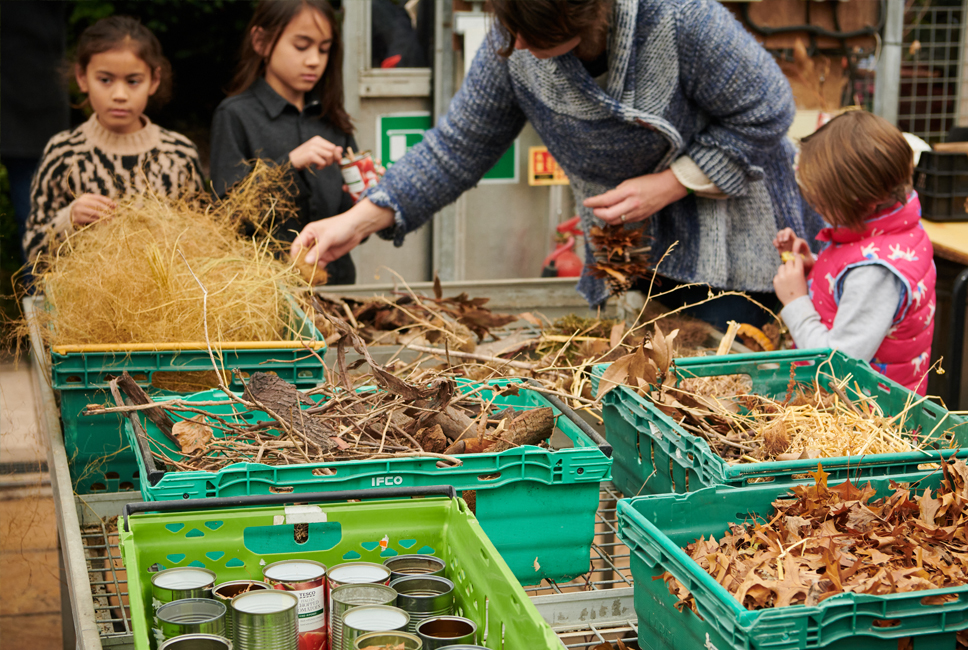
Animal Lifecycles and HabitatsA wildlife-focused session designed to show children how pollinating insects and amphibians live in the garden and what we can do to support them from March - June for Year 1 - Year 3, lasting an hour and a half. Activities include an exploratory walk in the garden to see the habitats pollinating insects and amphibians live in and what they eat, building a bug hotel from natural materials, which can be placed in our garden or brought back to school, and looking at the lifecycle of frogs and newts, how they develop across the year and where they live - not just in the pond but across the whole garden. |
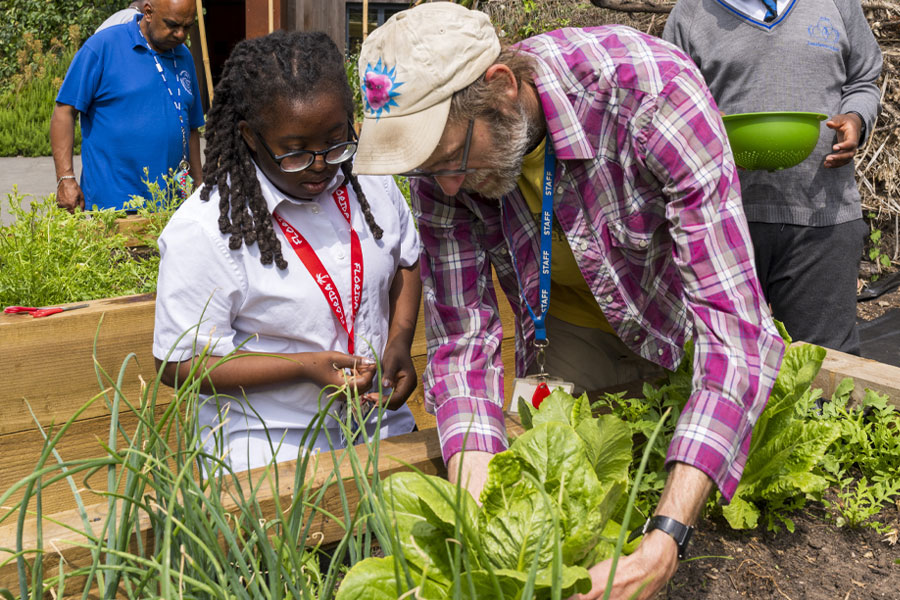
Food Growing and Healthy SoilAs part of our Urban Growing Programme, this practical session engages children on how vegetables, herbs and fruit are grown in our kitchen garden taught from March - September, lasting around an hour and a half. The class has been design with Year 2 and 3 classes in mind. The session includes looking at how compost is made and the life within healthy soil (including worms!), as well discovering at the different edible plants we grow, which parts of the plants we eat and an activity sowing seeds of lettuces and other seasonal edibles to take home and grow on. |
Plant AdaptationsA session designed to help children to understand basic plant structures and to comprehend that plants are living beings with fascinating adaptations taught from May - September for Year 1 - Year 3, lasting an hour. In our garden we are lucky to be able to grow interesting plants from around the world, with many different microclimates and habitats which unusual plants thrive in. Activities include exploring the garden to discover fascinating plant structures, stories, relationships and sounds which will deepen pupil's understanding of the natural world. |
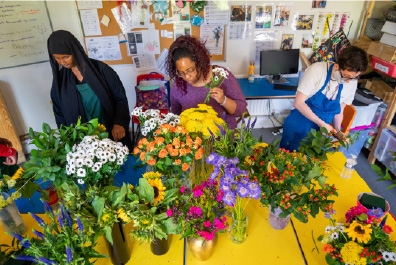
Art in the GardenArt sessions are designed to engage with nature through a creative lens, taught across the year for Nursery - Year 3, lasting 1-2 hours. Activities vary across the seasons and for each age group, and include creating land art and using natural found materials, print-making and texture rubbings, observational drawing, painting, sculpture and floristry in our Wild Garden outdoor classrooms. Art can be its own focused session, or a shorter activity added to one of our more science-based sessions supplementarily. |
Custom City Saplings SessionsAs a new programme, we are always learning, and continue to develop our City Saplings sessions to be in best alignment with the educational needs of children and curriculums of local schools. We aim to fully understand how to support teachers educating on the natural world creatively to develop a robust programme. Get in touch if you are interested in a customised version of our sessions or similar topic which you think may work best for your class, and we will see what we can do. | |
Make a City Saplings Booking Enquiry
Sessions are currently run on Mondays and Tuesdays.
Please fill out the form below, and we will endeavour to reply within 24 hours. Alternatively, you can email us at citysaplings@rootsandshoots.org.uk or call on 0207 587 1131.
"If children don't grow up knowing about nature and appreciating it, they will not understand it.
And if they don't understand it, they won't protect it.
And if they don't protect it, who will?"